
Weight of Cricket Ball: The weight of the cricket ball is a significant factor in playing and feeling the game. Overview Cricket balls look small in size, but are very heavy which significantly affects the speed, bounce, swing and gameplay of a player. Selecting and keeping the right weight of the ball prevents unfair play and promotes safe cricket games. In this comprehensive post, we will discuss the official weight of cricket balls, their types, how they are made, safety issues and why ball weight is important in cricket at all levels.
Why Cricket Ball Weight is Important?
The weight of a cricket ball determines how the ball would respond when bowled or hit with the bat. A heavier ball can have greater pace and bounce while, a lighter ball is more predisposed than simply swinging through the air in the hand but (maybe) not when hit. For bowlers, weight is useful to maintain grip and seam position particularly during swing bowling. The relative hardness and mass of the ball influence shot control and distance for hitters. Also, the cricket balls are hardc this avoids serious injuries during play.
Official Cricket Ball Weight According to Laws
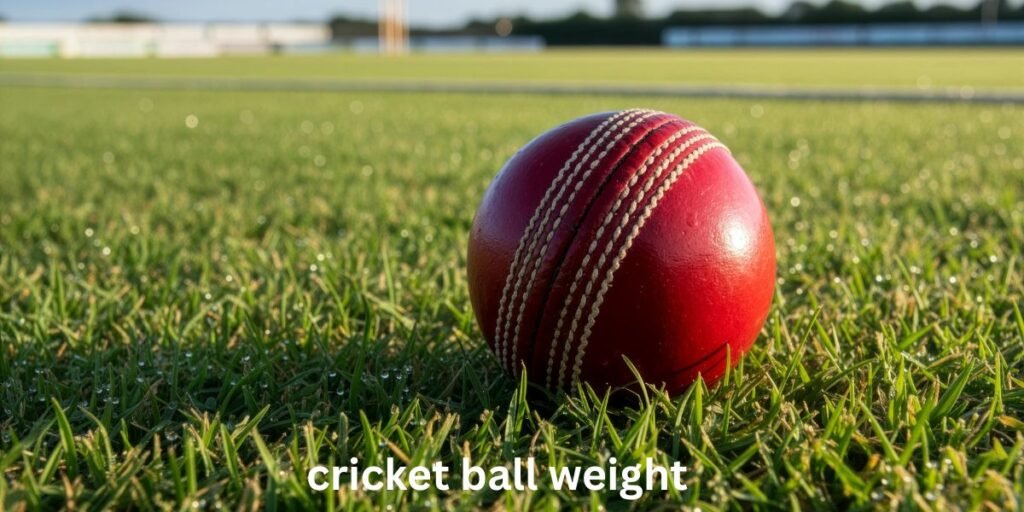
Depending on the level of cricket being played, players are required to use different types of cricket balls with varying weights and sizes,. Men and boys 13 years are above are using balls weighing between 156–163g which is the standard for international Test matches, ODIs and T20s. For women, girls and younger boys it is a slightly lighter ball, for better control and less risk including to the groin (men are at an obvious advantage here). Its not to make people’s egos feel good; it keeps weight classes legit.
| Category | Cricket Ball Weight | Circumference |
| Men & Boys 13+ | 156 – 163 grams | 224 – 229 mm |
| Women & Girls 13+ | 140 – 151 grams | 210 – 226 mm |
| Children Under 13 | 133 – 143 grams | 205 – 221 mm |
| Younger Kids | Plastic / Soft Ball Used | Flexible sizes |
Different Types of Cricket Balls, Colour & Their Weights
The colour of the ball and whether it is a White or Red type, depends on the match format and visibility conditions. Red balls are for long Test matches, white balls are for limited-overs cricket under lights and pink balls are made to last longer for day-night Tests. Each ball type is designed to a specific weight which changes the durability and style of manufacturing, but the regulated weight is consistent between types for ample play.
1. Red Ball
Red balls are the original and traditional form of cricket used in Test matches. They are constructed with quality leather that has long-lasting shine on the seams. The red ball does more early and then the reverse is found against it later, just because of how solid it is. Its weight, hardness and seam assist bowlers to generate movement throughout long matches.
2. White Ball
White cricket balls have been used in One Day Internationals and T20s since these can be seen more easily under floodlights. They are a little more hard on surface due to extra coating (for retaining brightness). But white balls lose their shine quicker and also tend to swing less than red ones. Despite these disparities, the weight of such white ball remains in the identical permissable span.
3. Pink Ball
Pink balls are designed to suit day-night Test matches. They are designed for visibility at night and under floodlights while cricketers were white attire. Pink balls generally have a harder surface lacquer, so remain shiny and weight-balanced for longer. They act differently under different conditions but fall well within the official weight guidelines.
What is a Cricket Ball Made Of?
A cricket ball is made by shaping the core from solid cork into a hemisphere with a slight point, and is layered with string and leather to ensure it has the weight and density required for fast play. This core is then overlaid with four leather pieces of premium quality, designed to look like skin of orange. The leather is stitched together with a raised seam to help bowlers grip and swing the ball. Big companies like SG, Dukes and Kookaburra have to follow stringent production regulations in order to keep the correct weight when making cricket balls for professional games.
How Cricket Ball Weight Affects Performance
Any change, however slight, in the weight of the ball can affect its flight through the air and off the pitch. The heavier ball travels and bounces faster, and that is an advantage for fast bowlers. The proper weight ensures seam bowlers get the ball to grip as they pound it into the pitch; spinning bowlers need the appropriate mass for drift and dip. If anything, the heavier ball causes greater timing and hitting mechanics for batters. So proper weight will maintain the balance of bat and ball.
When Does the Cricket Ball Need Replacement?
A cricket ball takes to lose its shine, hardness and desired weight gradually while being played due to the impact. A new ball can be taken in Test cricket after every 80 overs as the old one loses its hardness and ability to swing. If a ball becomes misshapen or excessively loses weight, but for no other reason, umpires may replace it without delay. Anything that is an illicit move like scuffing, scratching and applying a substance to change its weight, comes under ball tampering, a crime in cricket.
Cricket Ball Weight for Practice Cricket
Players use different type of balls, depending on the level they play (competative play or training rockets) and skill development. Machine made two piece leather balls are standard for club cricket and match their weight to a match ball. Tennis balls, Tape balls and rubber cricket balls are lighter but used for street cricket or junior cricket for practice purpose. Younger, beginner players will often use balls made of very soft plastic to decrease the risk of injury while learning the game.
Cricket Ball Weight and Player Safety
Cricket balls being heavy and hard, hitting a player leads to serious injury especially at such great speeds. Fractures, cuts and at least one life-threatening head injury have affected many players over the years. This hazard prompted the introduction of protective hardware such helmets, gloves, thigh guard and wicketkeeping pads. A controlled cricket ball weight will guarantee that safety apparels serve their purpose in protecting the players and prevent field mishaps.
Top Cricket Ball Manufacturers in the World
There are few companies who manufacture cricket balls which are approved for major international matches. Dukes balls are used in England, and are historically known for hand-stitched seams that can assist movement through the air. Kookaburra balls are used by test teams in Australia, South Africa, and New Zealand with the Kookaburra Turf Ball being machine-stitched due to its superior quality. The SG balls are used in India and they are known for their pronounced seam and longevity on subcontinent strips. All of these manufacturers strictly control the weight of cricket balls pre-certification.
How to Choose the Right Cricket Ball Weight?
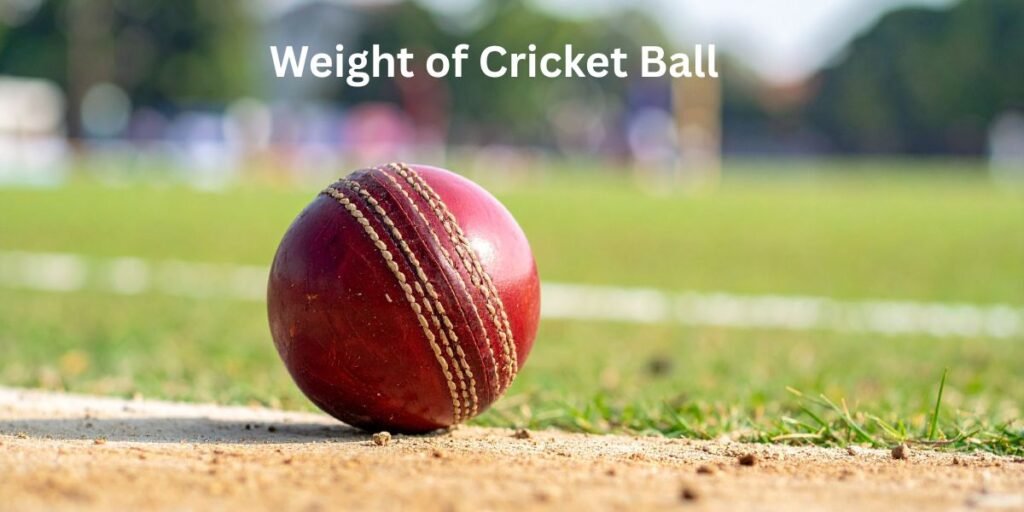
The right weight of cricket ball It all depends on your age, level and what you want to do. The professional should always follow the international racket rules, and among young players it is safer to play with lighter balls. The playing format and venue also determine whether a red, white or pink ball is appropriate. Recomend to increase ball weight gradually as strength and confidence grow. The right ball weight adds control, lessens fear and creates a more balanced performance.
Final Words
The right weight of cricket ball It all depends on your age, level and what you want to do. The professional should always follow the international racket rules, and among young players it is safer to play with lighter balls. The playing format and venue also determine whether a red, white or pink ball is appropriate. Recomend to increase ball weight gradually as strength and confidence grow. The right ball weight adds control, lessens fear and creates a more balanced performance.
For More Cricket Information, Visit: cricktimes.com
Read Also: